




POL'ITY, n. [Gr.] The form or constitution of civil government of a nation or state; and in free states, the frame or fundamental system by which the several branches of government are established, and the powers and duties or each designated and defined.
Every branch of our civil polity supports and is supported, regulates and is regulated by the rest.
With respect to their interior polity, our colonies are properly of three sorts; provincial establishments, proprietary governments, and charter governments.
This word seems also to embrace legislation and administration of government.
1. The constitution or general fundamental principles of government of any class of citizens, considered in an appropriate character, or as a subordinate state.
Were the whole christian world to revert back to the original model, how far more simple, uniform and beautiful would the church appear,and how far more agreeable to the ecclesiastical polity instituted by the holy apostles.
RESPOND', v.i. [L. respondeo; re and spondeo, to promise, that is, to sent to. Hence respondeo is to send back.]
1. To answer; to reply.
A new affliction strings a new chord in the heart, which responds to some new note of complaint within the wide scale of human woe.
2. To correspond; to suit.
To every theme responds thy various lay.
3. To be answerable; to be liable to make payment; as, the defendant is held to respond in damages.
RESPOND', v.t. To answer; to satisfy by payment. The surety was held to respond the judgment of court. The goods attached shall be held to respond the judgment.
RESPOND', n.
1. A short anthem interrupting the middle of a chapter, which is not to proceed till the anthem is ended.
2. An answer. [Not in use.]
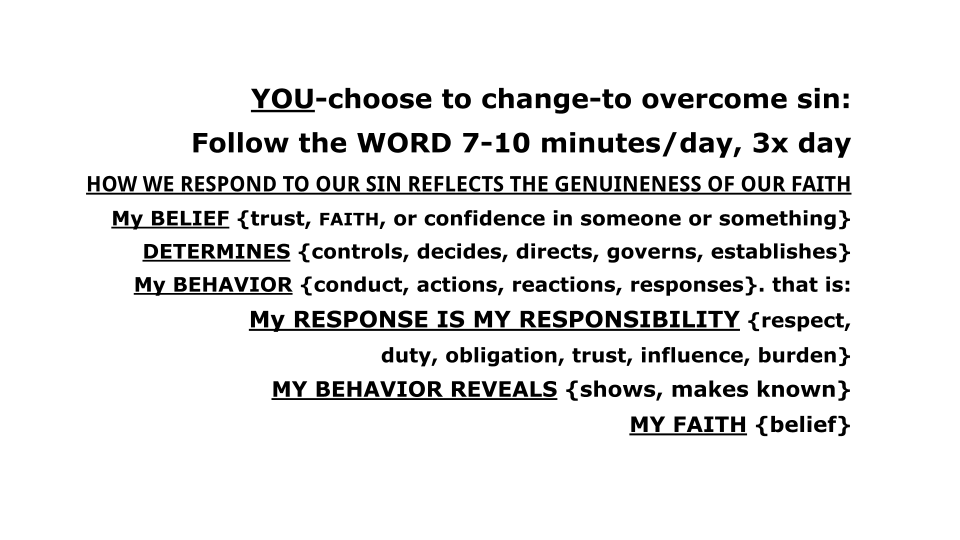
RESPONSIBIL'ITY, n. [from responsible.]
1. The state of being accountable or answerable, as for a trust or office, or for a debt.
It is used in the plural; as heavy responsibilities.
2. Ability to answer in payment; means of paying contracts.